Teenage love stories are often brushed off as fleeting moments of emotional confusion—rosy, reckless, and destined to fade. But every once in a while, a story comes along that challenges that notion entirely. In Releasing Alexandra, Sandra and Lee J. Everitt invite us into a world where first love wasn’t just a chapter—it was the foundation of a life built on passion, partnership, and courage.
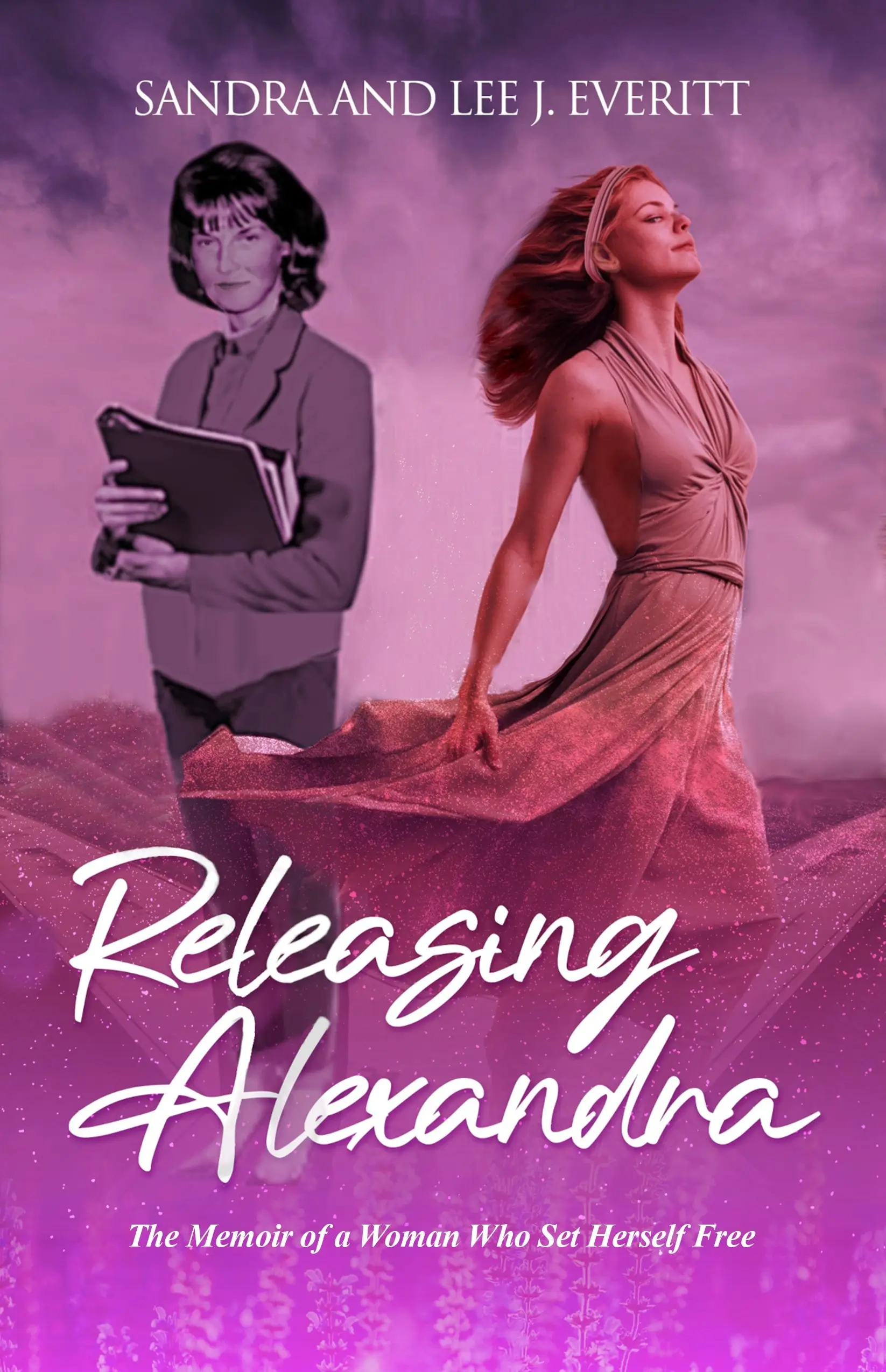
Sandra was just fourteen when she first met Lee J., a senior in high school and three years her senior. To outsiders, the age difference might have seemed significant at the time, especially in a small town where societal expectations loomed large. But to Sandra, who had spent much of her life feeling like the quiet, anxious girl no one quite understood, the connection was magnetic—undeniable in its pull, yet gentle in its unfolding.
What Sandra shares with readers isn’t just a tale of young love—it’s a revelation. It’s the story of how a bashful, overthinking girl with high-functioning anxiety dared to listen to her heart instead of the voices around her. From the outside, she seemed destined for something else—academic achievements, perhaps college, maybe a professional path like her sisters. But her heart whispered something different: love, home, emotional safety, and a future built beside someone who truly saw her.
Lee J. didn’t fall in love with Sandra for what she could achieve, but for who she was—deeply sensitive, wise beyond her years, and quietly determined. He wasn’t intimidated by her complexity. He cherished it. For Sandra, this wasn’t just romance—it was emotional recognition in its purest form.
Their early relationship was filled with all the hallmarks of young love—late-night talks, longing glances, shared dreams—but it was grounded by something far more enduring: mutual respect. Even at a young age, Sandra knew what she wanted. And even though that clarity led to hard conversations with her parents, especially her father, she never wavered.
Her decision to graduate high school in three years wasn’t a shortcut—it was a declaration. She didn’t want to wait for the life she envisioned with Lee J. She didn’t want to pursue a degree she would never use or chase a dream that wasn’t her own. While her father viewed her choice as a waste of potential, Sandra saw it as the most honest act of self-definition she could make.
In her words, readers feel the heaviness of that conflict. The pain of disappointing a father who believed in her brilliance. The heartbreak of knowing you’re letting someone down, even when you’re following your truth. But within that grief, there is also quiet triumph—the kind that only comes from choosing a life that fits your soul, even if it goes against the grain.
Releasing Alexandra isn’t a fairytale. It doesn’t claim that love erased all difficulty or that following your heart guarantees a flawless future. Sandra and Lee J. faced their share of trials—emotional baggage, personal growth, and the long-term work of building a meaningful life. But their love endured because it was real. Because it was chosen again and again, not just in youthful impulse but in mature reflection.
It tells readers—especially young women—that it’s okay to trust your heart. That love, when grounded in mutual respect and shared values, can be a force not of distraction but of deep alignment. Choosing love isn’t about giving up yourself, but about giving yourself permission to live fully, boldly, and truthfully.