In the quiet corners of childhood, some wounds are not spoken—they are endured. And for Sandra Everitt, one of the most lasting lessons she learned wasn’t wrapped in comfort, but in resilience forged by emotional neglect.
In Releasing Alexandra, Sandra shares her early experiences with anxiety, a deeply ingrained part of her emotional landscape that surfaced at an early age. Her anxiety wasn’t loud or disruptive. It was inward, high-functioning, and hidden behind an obedient exterior. But just because it was invisible to most didn’t make it any less real. And her mother, though not unloving, never quite understood the emotional depths Sandra was navigating.
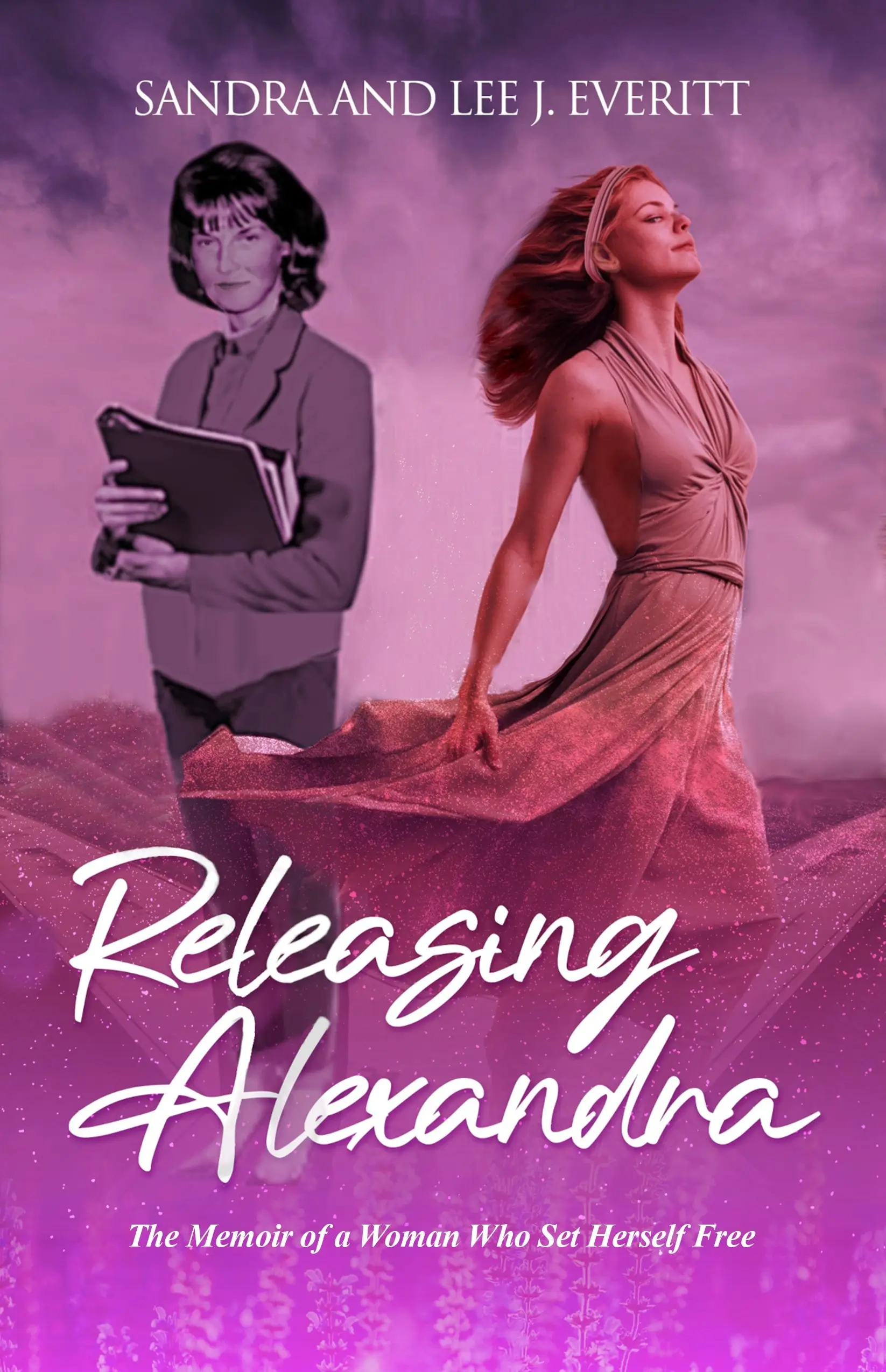
It wasn’t that her mother didn’t care. In fact, she cared deeply. A hardworking woman whose life revolved around her family, Sandra’s mother demonstrated her love through sacrifice, effort, and provision. But emotional support—especially for something as nuanced and misunderstood as anxiety—was never part of that equation. When Sandra showed signs of inner turmoil, her mother’s response was simple and sharp: “Get over it.”
To a child grappling with shyness and anxiety, this wasn’t a bridge—it was a barrier. There were no long talks, no shared vulnerability, and certainly no emotional guidance. Her mother, a woman who had known shyness but not paralyzing anxiety, couldn’t meet Sandra where she was. And so, Sandra learned to manage on her own. She didn’t fight it. She didn’t rebel. She did what many sensitive children do: she toughened up.
She stopped asking for comfort.
She buried her emotions.
She got through it.
This hardening didn’t erase the pain, but it created a kind of armor—a survival mechanism that would later serve her well in adulthood, especially as a parent. It gave her the ability to withstand storms quietly. It made her dependable, focused, and capable. But it also meant she carried unspoken emotions for years, believing perhaps that feeling too much was a flaw that needed to be hidden.
What makes Releasing Alexandra so compelling is how it confronts the long-term impact of this emotional suppression. Sandra doesn’t demonize her mother; instead, she paints a nuanced portrait of love that didn’t know how to speak the language she needed. The emotional chasm between them was never about intention, but understanding. And in that gap, Sandra grew up strong, but scarred.
The beauty of her story lies in what came next. She didn’t remain trapped in that emotional limbo forever. As she matured, had children of her own, and began the process of healing, Sandra began to untangle the silent messages of her past. She began to acknowledge her anxiety not as a weakness, but as part of her emotional reality. And she chose to break the cycle, not by blaming, but by becoming the mother she once needed.
Her children didn’t hear “Get over it.” They heard “Talk to me.” They felt seen in ways she hadn’t. That is the transformation Releasing Alexandra celebrates—not a perfect healing, but a conscious evolution.
Sandra’s story reminds us that some of the strongest people are not those who had it easy, but those who survived what they could not name. Her early experiences with anxiety, and the absence of maternal understanding forced her to develop resilience far too young. But in doing so, she cultivated a depth of empathy and inner strength that would one day help others, especially her children, feel less alone.