In a world that often felt too loud, too uncertain, and too demanding for a child burdened with high-functioning anxiety.
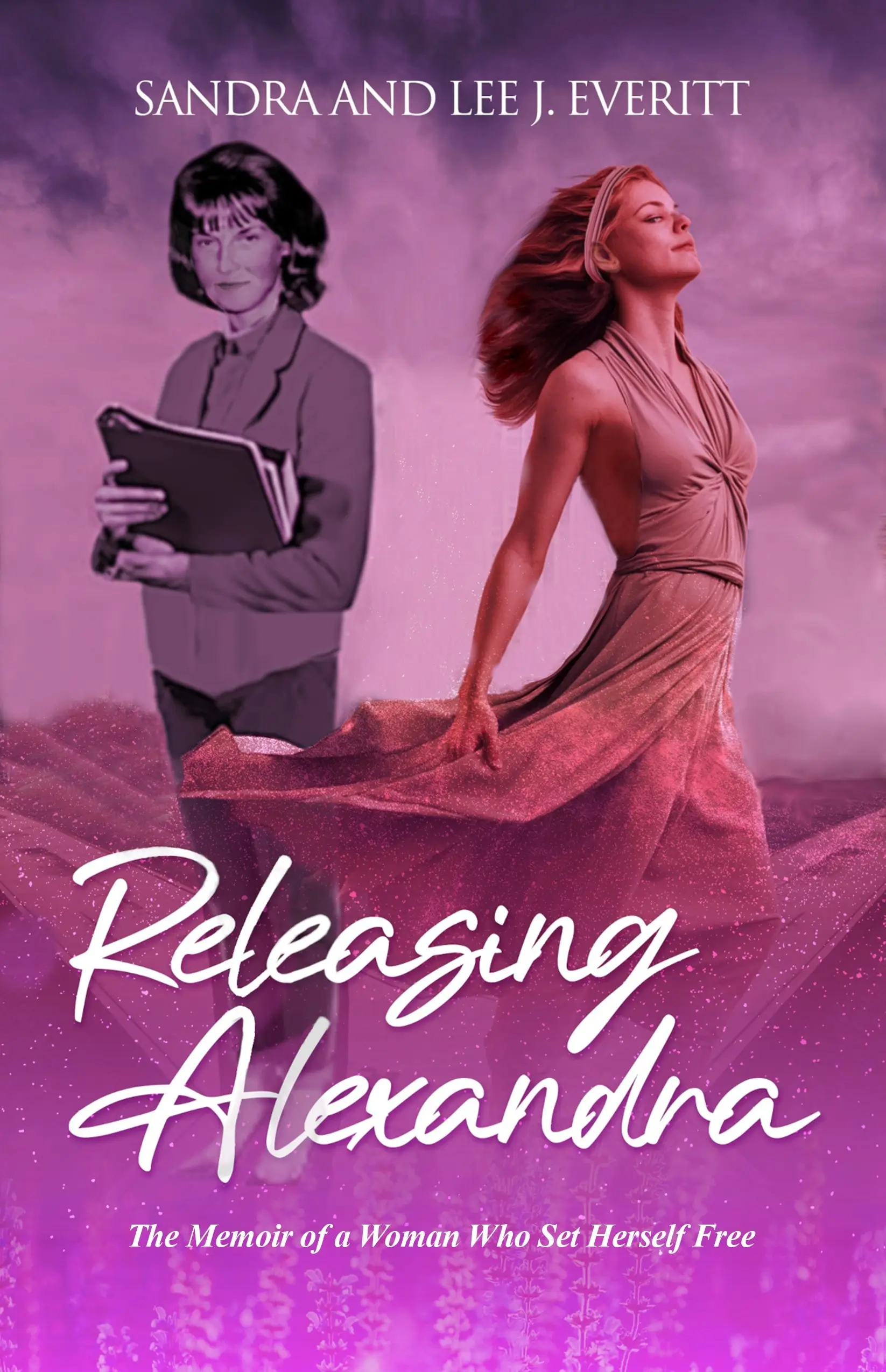
Within the pages of this memoir, “Releasing Alexandra”, by Sandra & Lee J Everitt, readers can spot how Sandra found her peace in the most unexpected of places—her sisters Barb and Brenda. Though the emotional terrain of her childhood was rocky, with silent battles waged beneath a composed exterior, Sandra’s bond with her sisters became a source of rare comfort and belonging.
From the outside, Sandra was a quiet girl—shy, introspective, often anxious about what might come next. But inside the warmth of her sisterhood, she was more than just the quiet one. She was seen. She was included. She was accepted without needing to pretend.
Despite sharing a room with her youngest sister, Kathy, Sandra always felt distant from her. Kathy, forever the “baby” in their mother’s eyes, never quite entered the same emotional orbit as the others. The real bond was with Barb and Brenda—older, more confident, and graciously inclusive. While some siblings draw sharp lines between age and experience, Barb and Brenda did the opposite. They welcomed Sandra into their world without hesitation.
Even though Sandra was seven years younger than Barb and four years younger than Brenda, they treated her like an equal, especially as she grew older. Barb often said that Sandra seemed wise beyond her years—a comment that echoed the truth of Sandra’s internal world. Perhaps it was anxiety that forced her to grow up quickly. Perhaps it was her sensitivity, or maybe her longing to belong. But whatever the reason, her older sisters didn’t just notice—they honored it.
That recognition made all the difference.
When the girls would go “riding around the drag”—an iconic teenage ritual of driving through town to see and be seen—Sandra was invited along. She never gave them trouble. She didn’t complain, didn’t try too hard to impress. She simply belonged. To Sandra, who often felt out of place in school and misunderstood at home, these moments were sacred. They were her escape. Her therapy. Her joy.
In the presence of her sisters and their friends, Sandra began to shed her cloak of anxiety, if only temporarily. She laughed more. She spoke up. She absorbed the energy of older, more confident teens and felt her own spirit begin to rise in response. Being with Barb and Brenda gave her a glimpse into who she could become—someone who wasn’t ruled by fear but by connection, conversation, and confidence.
By the time she entered junior high, Sandra’s sense of maturity had accelerated. She carried herself with a poise and emotional insight far beyond her peers, a trait likely nurtured by those evenings spent with her sisters and their friends. While others her age were just beginning to discover themselves, Sandra had already started a quiet transformation, made possible by the steady love and inclusion of her siblings.
What Releasing Alexandra shows us so poignantly is that healing doesn’t always come in grand revelations or clinical diagnoses. Sometimes, it’s found in the laughter of a car ride, the trust of an older sister, or the sense that you are, finally and fully, enough. Sandra’s sisters may not have known they were her lifeline, but they were. Their willingness to make space for her helped Sandra begin making space for herself.