Before the world grew complicated with expectations, emotional burdens, and the quiet battles of anxiety, there was a little girl who found sanctuary in the simplest of routines—walking to post office with her father.
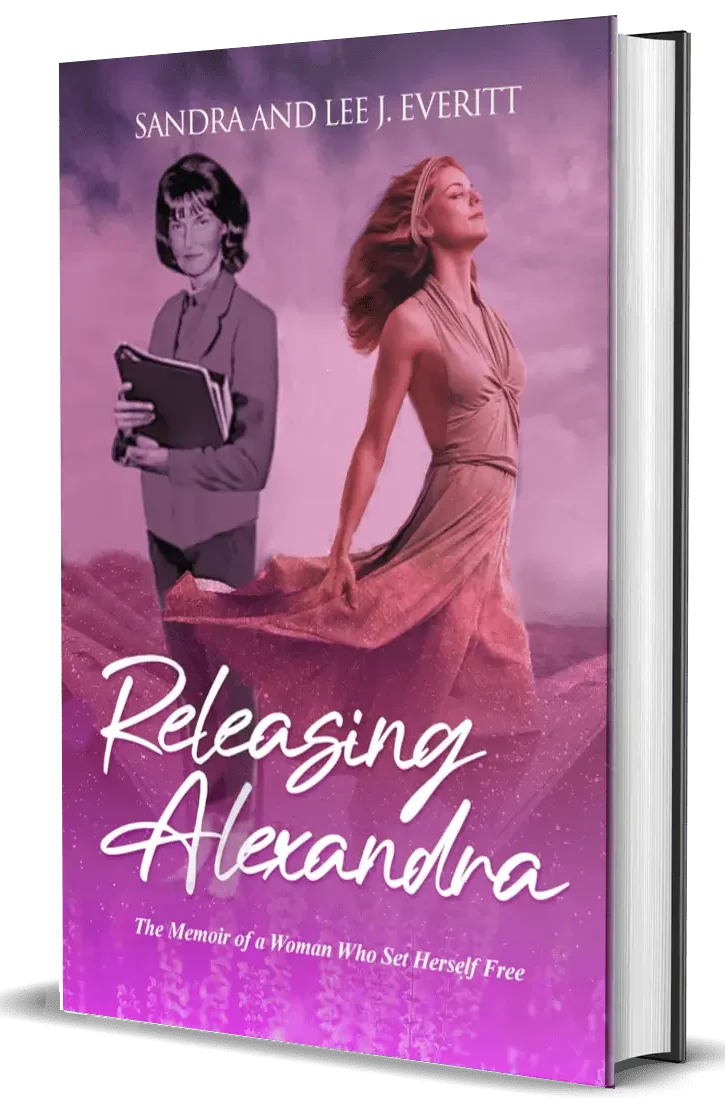
For young Sandra, those walks weren’t just an errand—they were a haven. In her early years, marked by paralyzing shyness and the weight of high-functioning anxiety, the outside world often felt like a threat. School was a battleground of self-consciousness. The small town she lived in never quite felt like home. But with her father, even just a walk down the street to the post office became a gateway into a safer, more joyful world.
Her father was a people person through and through. A born salesman with a heart for connection, he charmed his customers with sincerity and a remarkable memory for the little things that made people feel seen. Sandra watched him in action—listening, laughing, remembering names and birthdays—and without realizing it, she absorbed the subtle art of connection. She didn’t yet understand how much those lessons would mean later in life.
But what she did understand was this: her father made her laugh. He slowed his steps so she could match his stride. He told silly jokes and genuinely listened to her young thoughts. In a world where Sandra often felt invisible or misunderstood, she was completely known during those precious walks.
If he ever left without her, it was devastating. To Sandra, those walks were not only moments of bonding—they were small but powerful affirmations that she belonged somewhere, that she mattered.
As she grew older, though, the simple things became more distant. Emotional baggage—the kind that quietly builds when you spend a childhood trying to be the sweet, wave-less daughter—began to color her experiences. Her father, still a warm and humorous presence, slowly became a nostalgic symbol of a past she could no longer reach with the same ease.
That’s how it is when you grow up with anxiety. Joy isn’t gone, but it isn’t very easy. Laughter doesn’t vanish, but it echoes from a time that feels safer and simpler. Sandra carried forward the emotional legacy of her childhood—the silent tension between being loved and being understood. The invisible weight of that contradiction eventually shaped the woman she would become.
And yet, even as life’s complexities deepened, those walks remained imprinted in her heart. They were more than just memories—they were the seeds of transformation. Because through those moments, Sandra had seen what it meant to connect. Not just through words, but through presence. Through patience. Through laughter.
Later in life, as she navigated love, marriage, and the process of breaking free from societal expectations, she found herself tapping into the quiet strength those walks had cultivated. She discovered that her shyness didn’t have to be a limitation—it could be a lens of empathy that her anxiety wasn’t a flaw, but a signal of depth and perception. And that emotional liberation begins when we stop apologizing for our emotional truths.
Sandra’s story in Releasing Alexandra is not simply about pain or difficulty—it’s about metamorphosis. From a shy little girl walking beside her father to a woman finding her voice and power, her journey shows us the magic that happens when we embrace our past instead of running from it.
The walk to get the mail may have started as a childhood ritual. But for Sandra, it became the first step on the long road to self-discovery, healing, and wholeness.