There are moments in childhood that linger far beyond their time, shaping self-perception and emotional resilience. By diving into the pages of this inspirational memoir, “Releasing Alexandra”, co-authored by Sandra & Lee J. Everitt, readers will realize how challenging it was for a young girl to struggle with her identity, even with the people who knew her since birth.
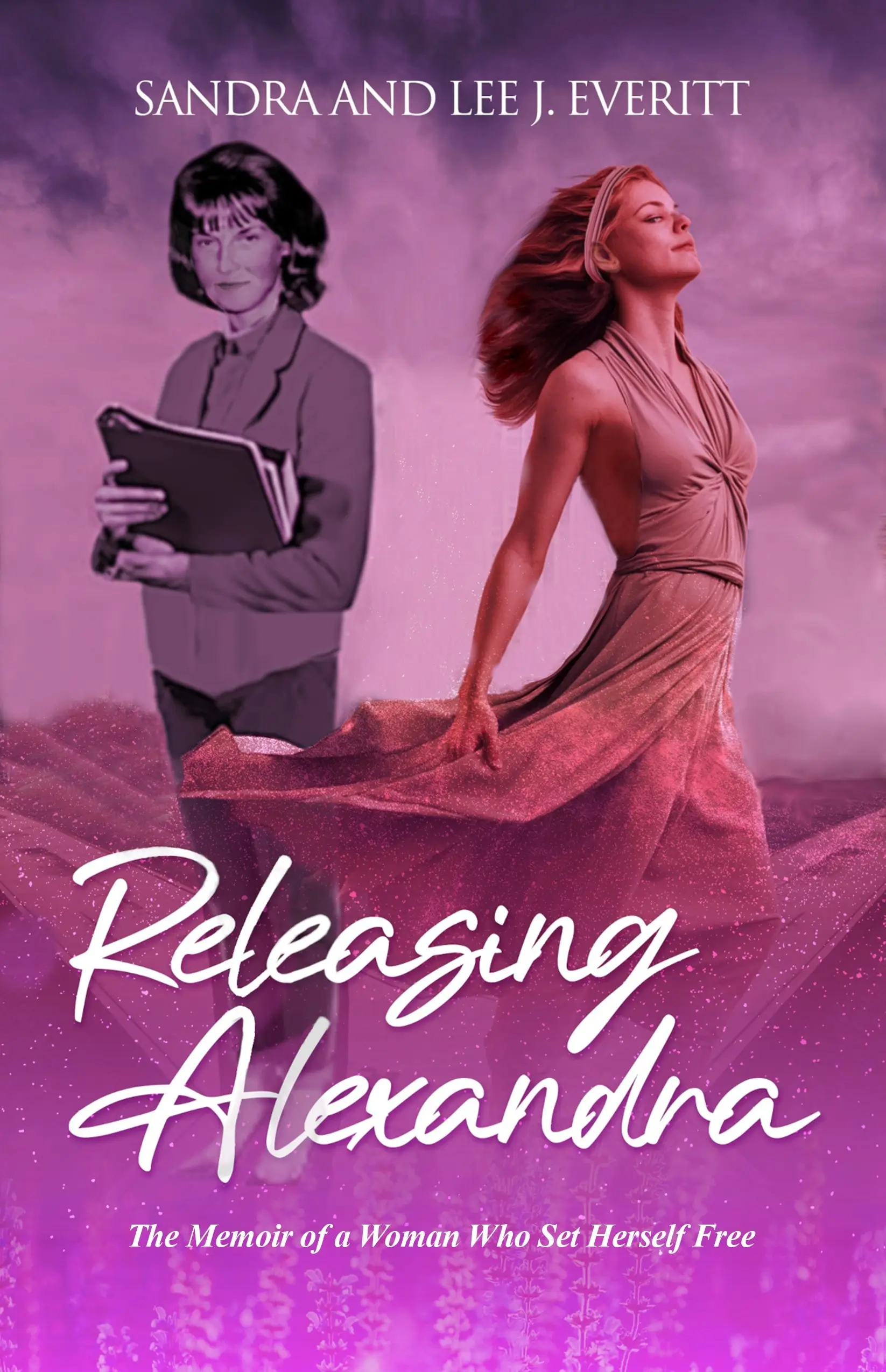
For Sandra, one of these moments occurred at a high school football game, a night that should have been filled with excitement but instead deepened her lifelong struggle with self-identity and belonging.
Sandra had always been a quiet and bashful child. She never sought attention and often felt invisible, an emotion reinforced by the puzzled looks and whispered questions of strangers. “Whose little girl is this?” was a phrase she heard too often. It made her feel like an outsider as if she didn’t belong in her own family. While her mother’s immediate response—“Why, she’s ours!”—was meant to affirm Sandra’s place, it only heightened her anxiety.
This question, repeated over the years, left an imprint on her young mind. Her two older sisters had dark hair, and her younger sister had red hair. Sandra, with her blonde locks, stood out in a way that society seemed to fixate on. People struggled to connect her to the Bramlett family, making her feel different in a way she did not choose.
Then, at that football game, an errant football flew into the stands and struck her in the face. The pain wasn’t just physical—it was a reminder of how vulnerable she felt in a world that seemed to question her place in it. As she sat there crying, she heard it again: “Whose little girl is this?”
It was a simple question, yet it carried so much weight. The repeated need for people to ask, the confusion over her hair color, the teasing from her sisters about being “adopted”—all of it built layers of self-doubt and emotional suppression. Sandra had learned to hide her emotions, to retreat within herself rather than confront the growing insecurities.
Looking back, she realized how much this sense of invisibility shaped her childhood and early adulthood. The psychological burden she carried wasn’t just about being blonde; it was about being different in a world that seemed to demand sameness. It wasn’t until much later—after leaving home, getting married, and stepping into her own identity—that she began to release the accumulated weight of those early experiences.